Cart
0
You may also like



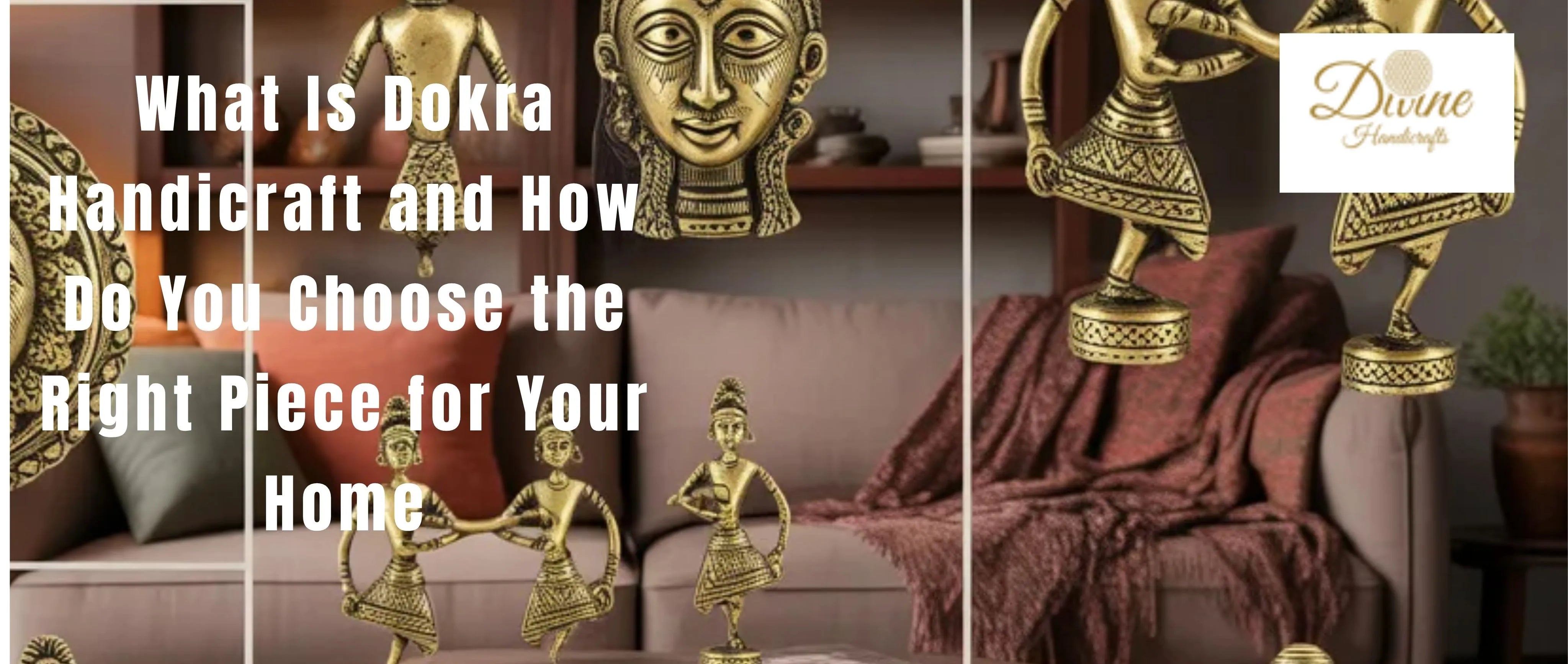
This blog will explain the significance and origins of Dokra work and offer a handy guide to choosing the perfect piece for your home or as a thoughtful gift. We are focused on authenticity, regional distinctions, and helpful buying advice for UK homes.
Key Takeaways
Dokra items are made by hand using an ancient metal method
No two pieces ever look exactly the same
Regional design differences matter
Authentic tribal art works beautifully in modern UK homes
The right piece depends more on space and purpose than trends
Some home décor doesn’t just sit on a shelf; it quietly tells a story every time you walk past it.
In a world full of factory‑made décor, handmade pieces stand out because they feel real. That’s exactly why dokra handicraft has begun to catch the attention of homeowners who want something meaningful, long‑lasting, and deeply rooted in tradition. These brass creations come from tribal communities in India and are still made using the same methods followed thousands of years ago.
Did you know? Dokra metal casting is over 4,000 years old, making it one of the oldest surviving metal crafts in the world that is still carried out entirely by hand today.
As interest in dhokra art UK grows, many buyers want to know what makes these objects special and how to choose one that fits a modern home without feeling out of place. Let’s take a closer look.
Table of Contents
What Exactly Is Dokra Craftwork?
Are “Dokra” and “Dhokra” the Same Thing?
Regional Differences Across India
How Dokra Pieces Are Made
Types of Items You’ll Find
How to Choose the Right Piece
What Should Authentic Dokra Cost in the UK?
Where to Buy Reliable Dokra Pieces
Frequently Asked Questions
A Living Tradition for Today’s Homes
Dokra is a form of bell metal craft made by tribal artisans using brass and similar metal blends. Each item is shaped by hand through a multi‑step process that leaves natural marks and texture behind. These are not faults but evidence that the hands involved are human.
In contrast to modern casting, Dokra relies on patience and the ability to pass on skills over generations. That’s why this form of authentic tribal art feels warm, grounded, and honest when placed inside a home.

This craft often reflects daily life, nature, animals, and folk beliefs. Every curve and detail carries cultural meaning rather than decoration for decoration’s sake.
When something is truly artisan-made, it brings a calmer presence into a room. You can sense the care behind it, even without knowing its full story.
Yes, they're the same thing. The terms "Dokra" and "Dhokra" are spellings that differ across the world and across different languages. On the internet, you will often see both, which may cause confusion for buyers.
In simple words, no matter if you're looking at Dokra or Dhokra, the process material, the materials, and the history remain exactly the same.
Both spellings refer to the same traditional metalwork. Sellers may choose one spelling based on regional influence or audience familiarity.
What's most important is the method by which you make the item is created and not the wording used to describe it.
Dokra art is distinct based on the region in which it was created. Each region brings its own distinct character to the artwork.
Odisha usually focuses on utility and ritual forms
West Bengal is famous for its animals and wall decor
Chhattisgarh has bold tribal symbols and characters
All use the lost wax casting process in India; however, the designs vary based on the local culture and lifestyle.
A brass tribal figurine from West Bengal may feel more detailed, while one from Chhattisgarh may appear stronger and more symbolic.
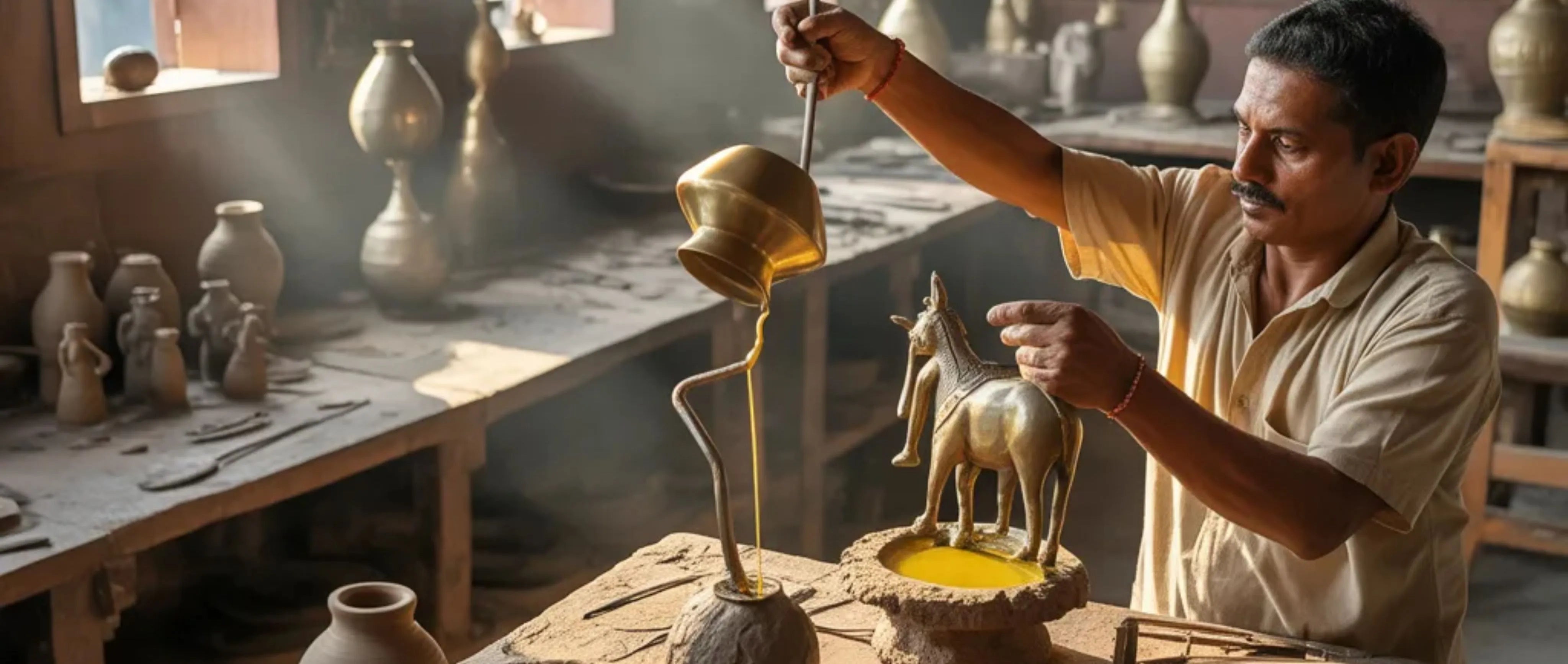
At the heart of this craft is a slow, hands‑on method that leaves no room for shortcuts. The process alone explains why Dokra pieces hold long‑term value.
A clay core forms the basic shape
Wax is layered and carved by hand
Clay coats the wax model
Heat melts the wax away
Molten brass fills the space
Once cooled, the clay breaks away to reveal the final piece. Each mould breaks after one use, ensuring uniqueness.
Because every mould is destroyed during casting, duplication is impossible. That’s the charm.
Dokra isn’t limited to one form. You’ll find a wide mix that suits both small corners and centre pieces in a home.
Common forms include:
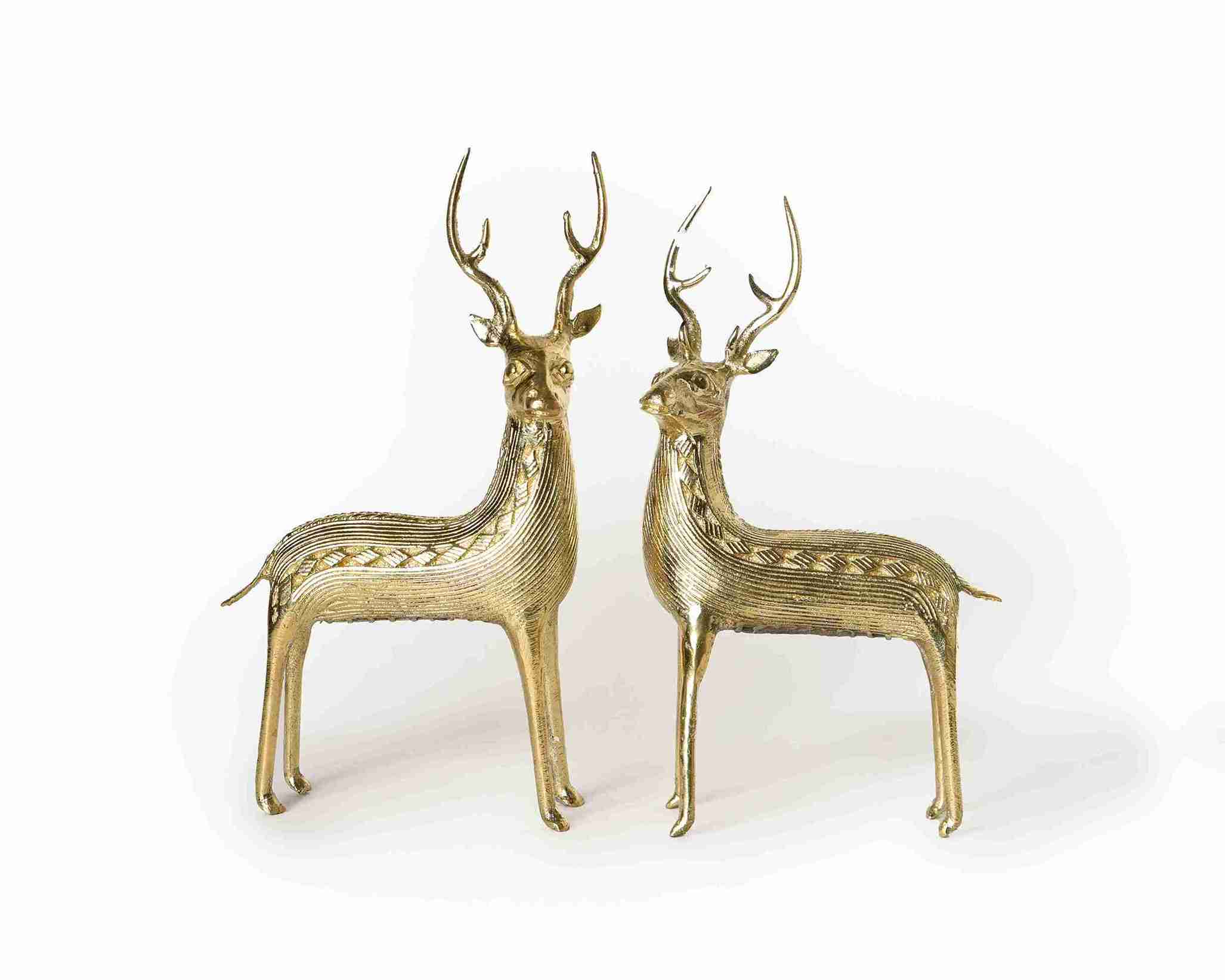
Animals such as elephants and deer
Folk musicians and tribal couples
Deity figures like Ganesh
These pieces bring warmth to shelves, entryways, or workspaces.
In the UK, Dokra fits well into:
Subtle shelf displays
Hallway décor
Candle holders and lanterns
Paired with neutral furniture, ethnic decor UK buyers often use Dokra to add quiet depth without visual clutter.
Here’s the thing: choosing Dokra isn’t about filling space. It’s about choosing intention.
Ask yourself:
Where will it sit?
Will it stand alone or blend with other décor?
Do you want symbolism or simplicity?
Small spaces suit compact figurines, while larger rooms handle statement pieces better.
As gifts, Dokra items feel personal. They suit housewarmings, festivals, or moments when you want to give something lasting rather than temporary.
This is where Indian craft online UK shoppers often lean toward Dokra, which carries meaning beyond aesthetics.

Price depends on size, detail, and time invested by the artisan. Very low prices are often a warning sign.
Amount of handwork
Size and finish
Complexity of design
Imitations are usually smoother and lack texture. Real Dokra feels weighted, uneven, and alive.
Trust matters. Buying from sellers who work directly with artisan communities helps preserve this ancient practice.
Divine Handicrafts works closely with artisans to bring authentic pieces to UK homes while supporting fair practices.
Always check for details about handcrafting and sourcing before purchasing.
Choosing a dokra handicraft brings more than an object into your home. It brings time, culture, and human skill shaped slowly over centuries. That’s why pieces of dhokra art in the UK continue to stand apart in modern interiors.
When selected with care, Dokra becomes a quiet companion in daily life, not just décor.
Are you looking for authentic tribal artwork for your home, or discover a meaningful gift? Look into the handmade Dokra collection from Divine Handicrafts and bring genuine hand-crafted work to your home.
Dokra uses brass or bell metal blends shaped by hand through lost‑wax casting.
Look for weight, texture, and slight variation rather than perfect symmetry.
Yes. It works well when balanced with simple, light‑toned interiors.
A soft, dry cloth is enough. Avoid harsh cleaners.
Absolutely. It’s meaningful, durable, and never goes out of place.