Cart
0
You may also like



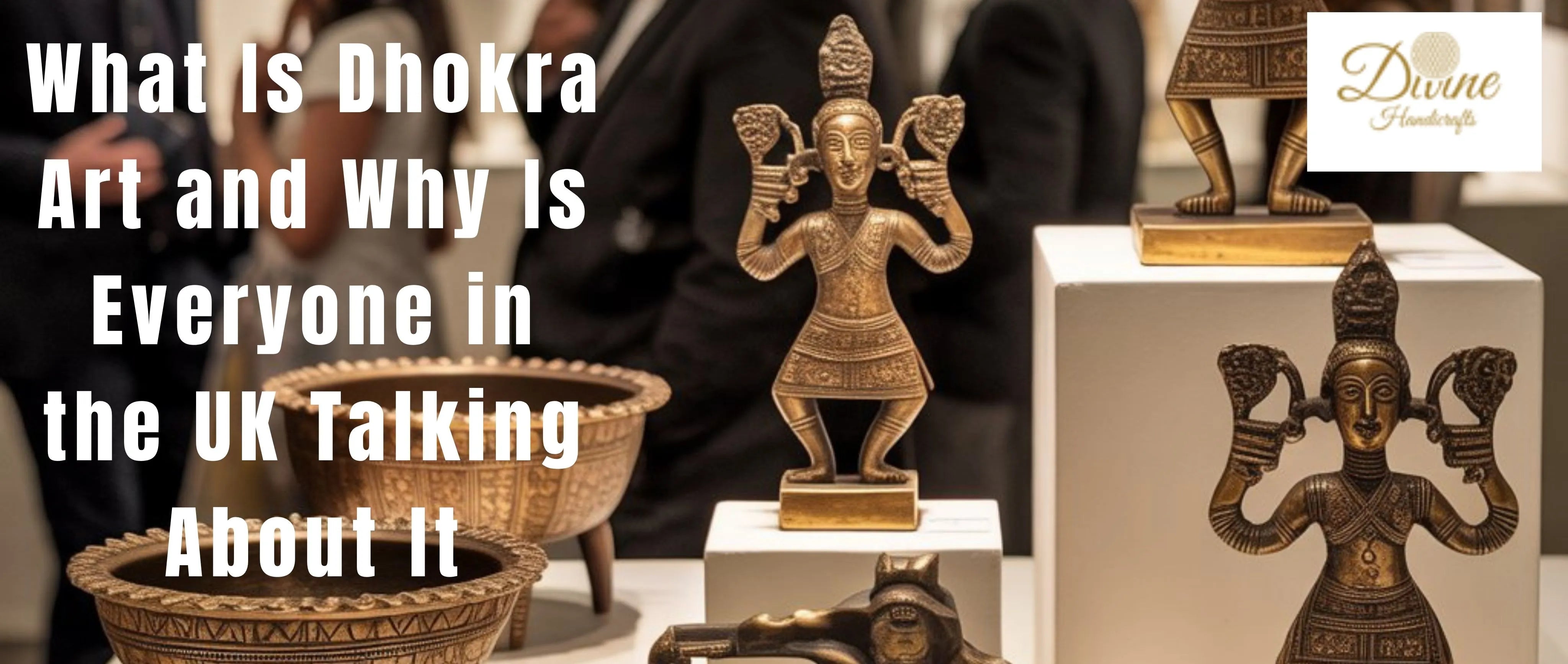
This blog is written to help UK readers clearly understand what Dhokra art is, where it comes from, and why it has become such a meaningful choice for modern homes. It also aims to guide conscious buyers towards authentic, ethically made pieces while explaining how this ancient craft supports real artisan communities.
Key Takeaways
Dhokra art is a 4,000‑year‑old form of tribal metal art made entirely by hand
The craft began in central and eastern India, especially in Chhattisgarh and Odisha
Each piece uses an ancient casting technique known as lost wax
No two items are ever the same
Ethical home decor choices help support artisan communities
Genuine Dhokra pieces feel heavier, textured, and imperfect in the right way
Some home pieces make you pause, not because they shout for attention, but because they carry quiet meaning.
Here’s the thing. Across the UK, people are slowly moving away from factory-made décor and looking for objects that feel real. Not perfect. Not copied. Just honest. That curiosity has brought a lot of attention to Dhokra Art UK, especially among those who care where their home pieces come from and who made them.
Did you know? Dhokra is one of the oldest metal-making traditions still practised today, with roots going back nearly 4,000 years in India. Unlike modern casting, each piece is made fully by hand using a process passed down through families for generations.
At its core, Dhokra is a hand-crafted brass piece made by tribes using an old-fashioned method, which ensures that each item is unique. There are no machines. No shortcuts. All you need is skill, patience and the right amount of time.
Table of Contents
What Exactly Is Dhokra Art Today?
Where Does This Craft Come From?
How Each Dhokra Piece Is Made by Hand
Why Dhokra Art Feels Different from Factory Décor
Spotting Authentic Dhokra Art
Why UK Homes Are Warming to Dhokra Pieces
Where to Find Genuine Pieces in the UK
Why Divine Handicrafts Is Worth Noticing
Frequently Asked Questions
Why This Craft Feels at Home in the UK
Call to Action

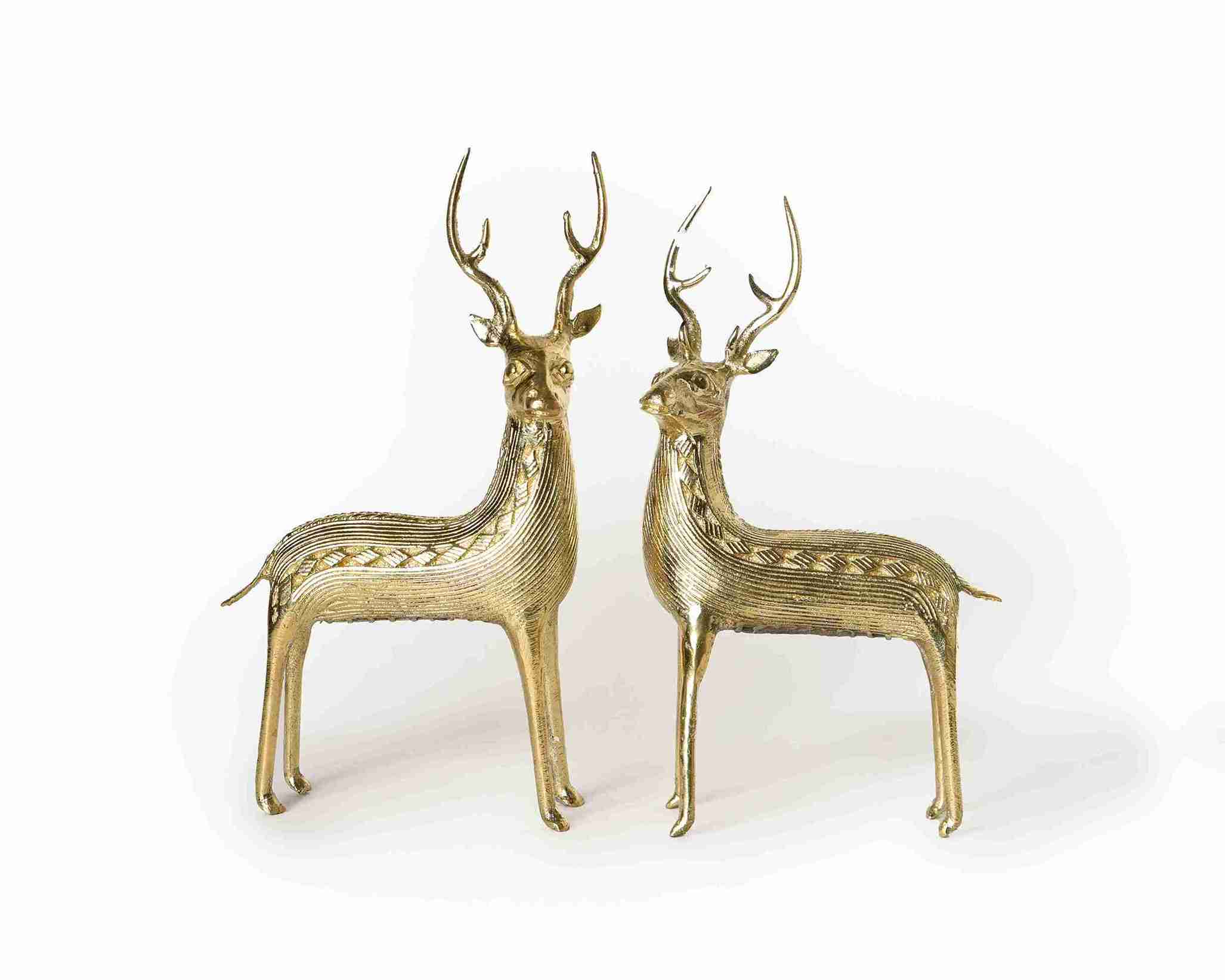
Dhokra art refers to handmade brass objects created using the Indian lost-wax craft. These pieces often appear as figurines, wall hangings, lamps, and small decorative forms, all made without industrial moulds or machines.
What sets it apart is how deeply it ties into everyday life. This isn’t museum-only work. Historically, these objects were made for homes, rituals, and shared spaces. That tradition continues today, which is why it fits naturally into modern interiors.
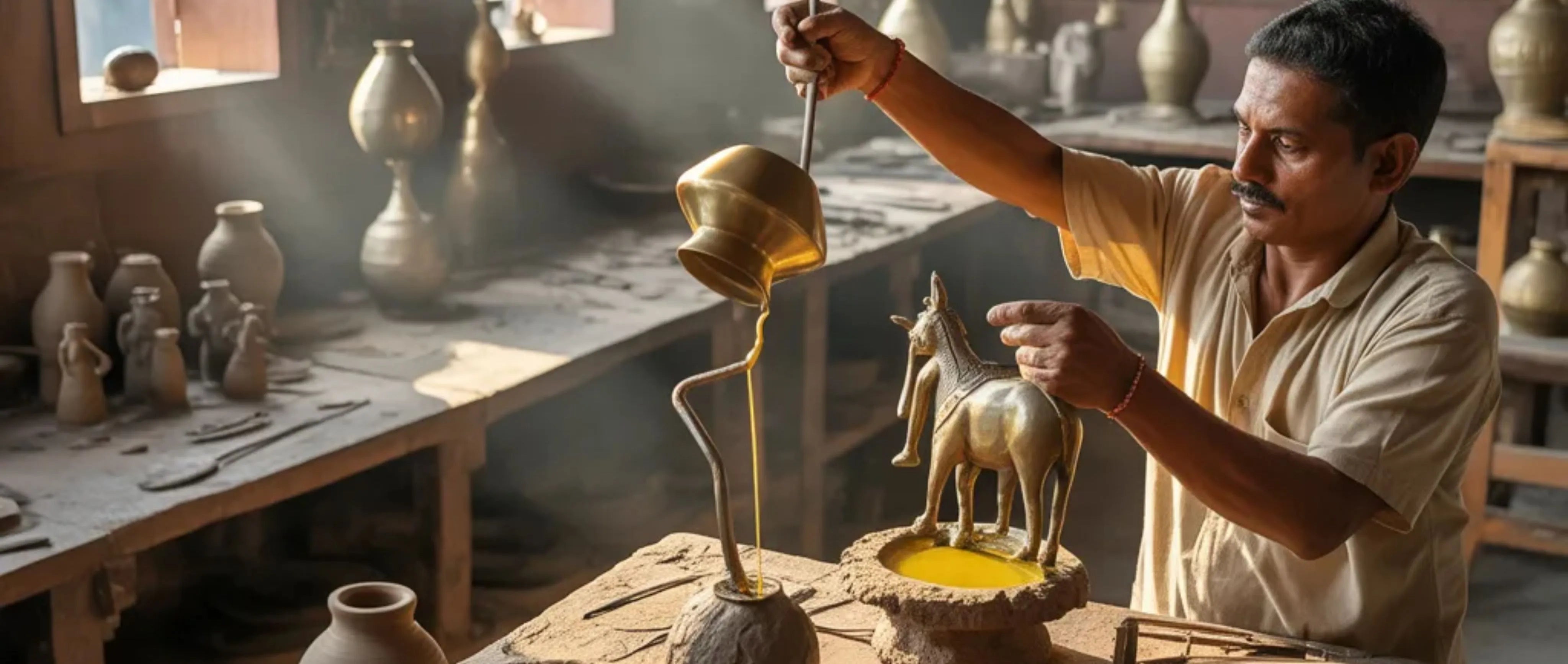
Dhokra art is a form of tribal metal art where molten brass is poured into handmade clay moulds formed around wax patterns. Once the metal cools, the mould is broken, meaning each item exists only once.
In a world of repeats, this craft offers handmade originality. Each mark, curve, and uneven detail shows the human hand behind it.
Dhokra art comes mainly from tribal regions of central and eastern India, with strong roots in Chhattisgarh and Odisha. The families there have passed on this art form over generations, and often taught their children to cooperate with older generations.
This is the reason why the art of making remains tightly tied to experience and not formal education.
Artisans from these regions work with limited tools yet produce detailed brass forms. Their work reflects daily life, nature, animals, and simple rituals rather than abstract themes.
The methods used today closely reflect those used thousands of years ago. That continuity is rare, and it’s one reason collectors and everyday buyers alike show growing interest.
Let’s break it down in everyday terms. The process may sound complex, but it follows clear steps.
A basic shape is formed using clay
Beeswax is applied to build detail
The wax model is coated again in clay
Heat melts the wax out
Molten brass fills the space
Once cool, the mould is broken
That last step matters. Because the mould breaks, it cannot be reused. That alone guarantees uniqueness.
This ancient casting technique ensures no two pieces share the same surface, size, or balance. Even items made by the same artisan on the same day differ slightly.
Here’s where many UK buyers notice the shift. Factory pieces aim for sameness. Dhokra accepts variation.
Mass décor relies on fixed moulds. Dhokra relies on hands, heat, and timing. If the wax pattern varies, the final brass form changes too.
When you choose ethical home decor, you support fair pay, small workshops, and skill survival rather than volume sales. That awareness matters to many UK homes today.
If you’re new to this craft, it’s fair to ask how to tell real pieces apart from copies.
Real pieces feel solid. They have texture. The surface often shows fine lines or marks where wax once sat.
Very smooth finishes or exact repeats usually suggest machine-made items. A lightweight feel can also hint at substitutes.
|
Feature |
Authentic Dhokra |
Factory Metal Décor |
|
Making method |
Handmade lost wax |
Machine moulded |
|
Weight |
Naturally heavy |
Often lighter |
|
Surface |
Textured, uneven |
Smooth and uniform |
|
Copies |
One-off pieces |
Identical repeats |
|
Ethical value |
Supports artisans |
Mass manufacture |
What this really means is people want objects that last and say something quietly meaningful. Dhokra fits well with minimal interiors, natural finishes, and mixed textures.
Brass holds warmth without feeling flashy. It pairs well with wood, neutral walls, and soft lighting.
Choosing real craft means knowing your piece is not rushed or copied.
Buying handmade requires trust. It helps to look for sellers who clearly explain how items are made and who works on them.
Look for clear descriptions, handmade assurances, and small-batch availability.
Products such as animal figures, lamps, and wall décor often showcase traditional patterns best.

Divine Handicrafts focuses on handmade décor created by artisans using traditional methods. Their Dhokra range highlights brass figures and décor rooted in tribal craftsmanship rather than trend chasing. The brand places care in sourcing, fair treatment, and product clarity, which gives buyers peace of mind.
There’s a calm honesty in objects made the slower way. Dhokra has survived because it respects time, skill, and material rather than forcing speed. That’s exactly why Dhokra Art UK continues to draw attention from thoughtful homes across the country.
When we bring handmade work into our spaces, we choose stories over shortcuts and care over copies. Divine Handicrafts supports that quiet shift by offering pieces rooted in real workmanship.
If you’re looking to add depth to your space, explore handmade brass décor made with intention. Choose work that supports artisans and brings lasting value, not temporary trends.
Yes. Skilled artisans still use the lost wax method without machinery.
From shaping to cooling, a single item can take several days.
Yes. Brass is durable and ages naturally over time.
No. Small differences prove the piece was shaped by hand.