Cart
0
You may also like

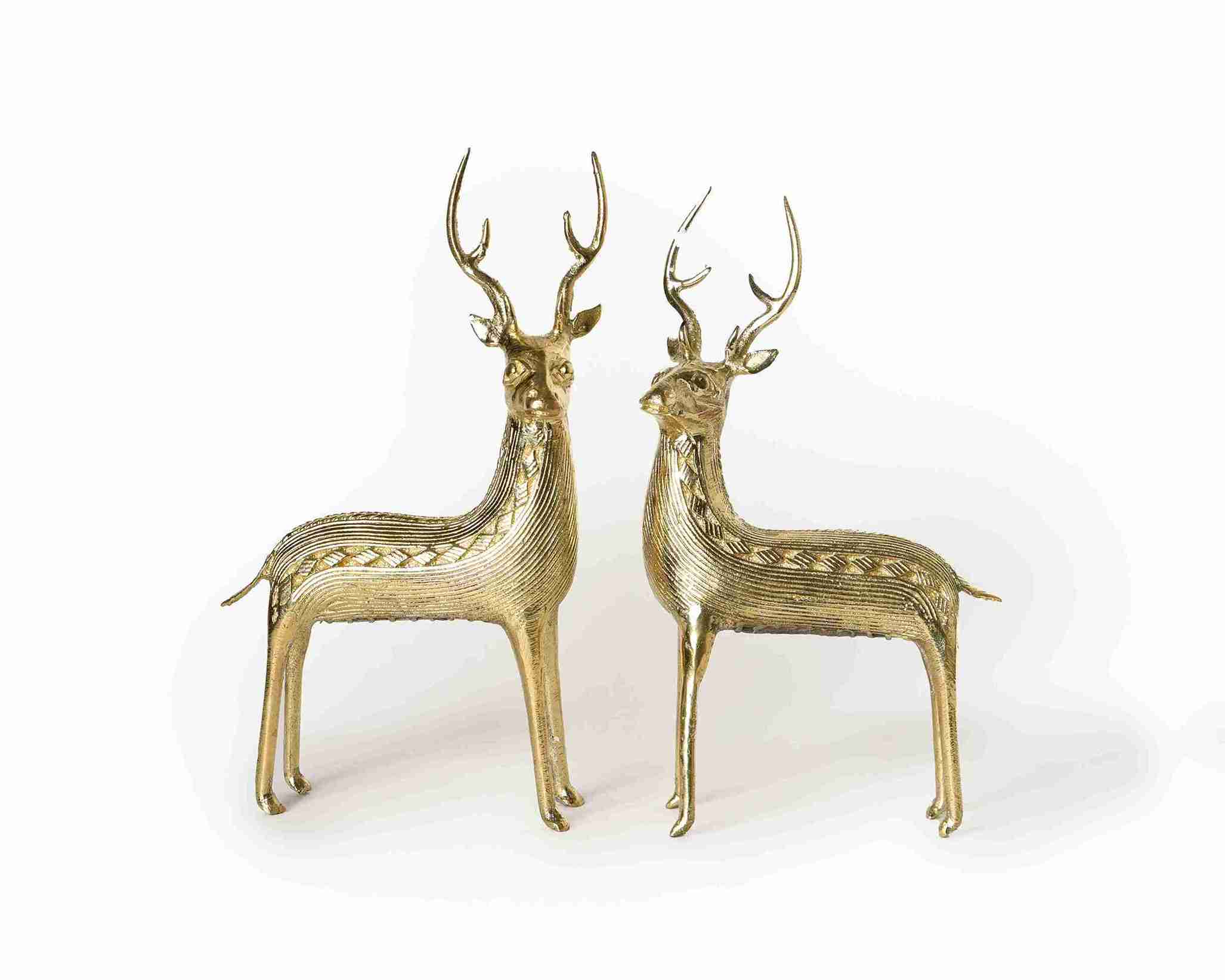


This blog explains, in clear detail, how traditional Dhokra art is made using the ancient lost‑wax method inside a real artisan workshop. We break the process into simple steps so you understand the craft, the people behind it, and why each piece carries lasting worth.
Dhokra art is made using a natural wax‑and‑clay casting process
Each mould is broken after use, so no two pieces are identical
The work is fully handmade, without machines
Tribal communities in eastern and central India keep this practice alive
Buying Dhokra art helps sustain living craft traditions
A Dhokra figure may sit quietly on a shelf, but the work behind it is full of heat, patience, and human hands.
Dhokra art isn't made in factories and doesn't rely on moulds that are reused or machines. It is made slowly by hand, using materials and techniques that have been handed down through generations of families. At the heart of this tradition is the Indian lost wax craft, a metal‑making method that dates back thousands of years and is still practised by tribal communities today.
Did you know? Historians link Dhokra metal casting to techniques used during the Indus Valley Civilisation, making it one of the oldest known metal traditions still in use.
In this guide, we take you inside a real artisan workshop and show exactly how Dhokra art is made, step by step, from soft wax to finished brass.
What Makes Dhokra Art Different
What Is the Lost Wax (Cire Perdue) Technique?
Step 1 — Shaping the Wax Core
Step 2 — Wrapping in Clay
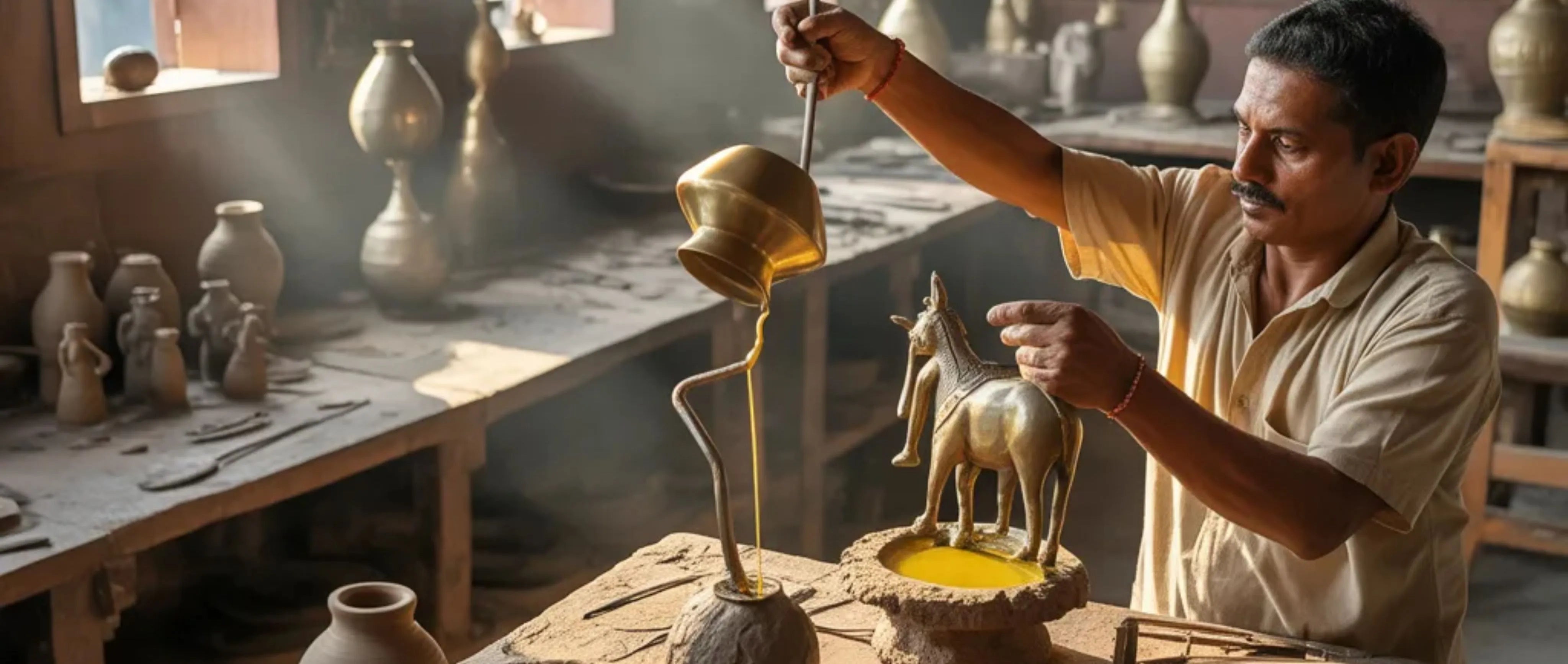
Step 3 — Pouring the Molten Metal
Step 4 — Breaking the Mould and Finishing by Hand
Why This Process Makes Every Piece One‑of‑a‑Kind
Meet the Artisans Behind the Craft
Why Buying Dhokra Art Supports Rural Indian Communities
Frequently Asked Questions
A Craft That Carries Time in Its Form
Dhokra stands apart because nothing about it is rushed or standardised. The forms are shaped by hand. The tools are basic. The materials come from the local environment. Every decision made by the artisan has a visible effect on the final object.
This is why collectors and home‑decor buyers are drawn to pieces that feel honest and grounded, especially within the wider market for tribal brass art. UK collectors value it for its raw character.
The dhokra art-making process follows the same steps each time, but the result is never repeated.
When people ask how dhokra is made, the answer always points back to wax, clay, fire, and skill.
At its core, the lost‑wax method is simple to understand. Think of it as replacing wax with metal. In the beginning, objects are formed in wax. Then, it is covered with clay. If it is heated, the clay disappears, leaving behind an empty space. Molten metal fills that space and takes the wax’s place.
This technique is widely known as the cire perdue technique, meaning “lost wax”.
Wax casting allows the artisan to create fine detail without mould reuse.
In places like Odisha, metal craft practices evolved alongside the daily routine and the requirements of rituals.
The process starts with warm wax made from a natural source. The artist is working on the floor or on a table, pressing and rolling the wax manually. There aren't any plans, rulers or designs. Everything is created by touch and memories.
Arms, faces, animals, or decorative details are added bit by bit using fingers and simple tools.
This handmade figurine process decides the final shape long before metal is involved.
If you wonder how dhokra is made with such texture, the answer lies in this slow wax stage.
Once the wax form is complete, it is coated with layers of clay made from local soil. The first layer is smooth and thin, so it captures surface detail. Later layers add strength.
The clay‑covered form is left to dry in the open air. Cracks are carefully repaired by hand.
Each clay layer plays a role in preserving shape during heating.
The drying stage requires patience and careful timing.
After drying, the clay mould is heated. The wax melts and drains away, leaving a hollow cavity. This moment gives the method its name.
Brass, usually made from recycled metal, is heated in small furnaces fuelled by charcoal. When the metal reaches the right temperature, it is poured into the mould.
These furnaces are built by hand and used without modern tools.
Collectors of tribal brass art UK pieces often value the marks left by this process.
Once the metal cools, the clay mould is broken open. This is the first time the final piece is visible. The moment is quiet but meaningful because the mould cannot be reused.
The surface is polished, excess metal is removed, and details are sharpened by hand. No two finishes turn out the same.
This stage gives each piece its character.
This is where the dhokra art-making process truly reveals itself.
Because the mould is destroyed after casting, no second copy is possible. Even when two figures follow the same idea, hand movement, heat, and timing ensure differences.
This single‑use process is central to the Indian lost wax craft, giving every sculpture its own identity.
Standardisation has no place here.
This is why collectors value originals over replicas.
Behind each piece are families who have practised this craft for generations. The skills are passed on by observation and not through formal education.
A lot of artisans work in small villages and keep their workshop near their home. Their skills remain part of everyday life.
At Divine Handicrafts, we work closely with these artisan groups to present their work with honesty and respect.
An artisan workshop India setting brings family, tradition, and work into one space.
Skills are learned early and refined over time.
Purchasing authentic Dhokra art goes beyond decoration. It generates a steady income, and helps to preserve skills and helps entire villages when other activities are in short supply.
The need for authentic items lets artisans stick to traditional methods rather than shifting to cheaper, faster alternatives.
This support extends into the Indian lost wax craft, keeping ancient knowledge active rather than forgotten.
UK buyers play a real role in sustaining the craft.
The craft remains part of daily life rather than museum history.
In a world filled with repetition, Dhokra stands for patience, skill, and individuality. It is an Indian lost wax technique that is still in practice because it appreciates the artist's hand and process as well as the end result.
If you select authentic Dhokra pieces of the Divine handicrafts, you will not just be welcoming a piece of art to your house, but also a live-in tradition that has been shaped by fire, time, and the care of humans.
Explore authentic Dhokra art at Divine Handicrafts and bring home a piece shaped by real hands, rooted in ancient practice, and made to last for generations.
Depending on size and detail, it can take several days from wax shaping to final polish.
Each mould is broken after casting, and all finishing is done by hand.
A brass alloy made from copper and other natural metals is commonly used.
Look for slight surface variation, uneven texture, and tool marks.
Mostly in the tribal regions of Odisha, Chhattisgarh, and West Bengal.